
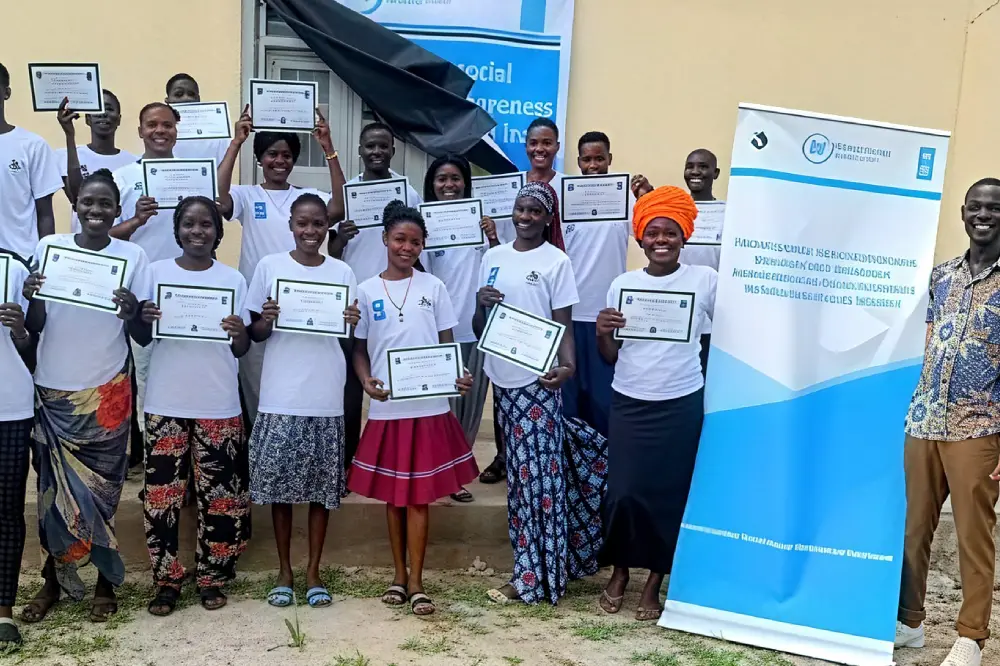
From 18–23 July 2025, Active Women Arise Africa (AWA-Africa) held a five-day training in Upper Nile State, South Sudan. The training brought together 20 Psychosocial Community Volunteers (PCVs) from Dolep Hills and Baliet County.
The goal was simple: give volunteers the tools to support healing in their communities. Many of these areas have faced conflict, displacement, and gender-based violence. The training focused on helping volunteers understand trauma, break cycles of harm, and build resilience.
This work is part of AWA-Africa’s wider commitment to stand with vulnerable communities and strengthen local support networks.
About the Training
The training took place from 18–23 July 2025 in Upper Nile State. It was organized by Active Women Arise Africa (AWA-Africa).
Twenty Psychosocial Community Volunteers (PCVs) from Dolep Hills and Baliet County joined the program. For many, this was their first time receiving formal training on trauma and psychosocial support.
The aim was to build local capacity. Volunteers learned how to listen, support, and respond to people living with the impact of conflict and displacement. The focus was on simple, practical skills that can be used at the community level.
Key Focus Areas of the Training
Understanding Trauma
One of the first lessons in the psychosocial support program focused on understanding trauma. Volunteers were introduced to the idea that trauma is not just about visible wounds or physical injuries. It can also be emotional, psychological, and social.
They explored how conflict, displacement, and gender-based violence leave deep scars that often go unseen. Trauma can show up in many ways: nightmares, fear, silence, anger, or even in how people relate to family and neighbors. By looking at real-life examples from their own communities, participants connected theory to practice.
The sessions also helped volunteers recognize that trauma does not affect everyone in the same way. Some people may carry pain quietly for years, while others may act out in harmful ways. Children, women, and men can all experience trauma differently, shaped by their age, roles, and circumstances.
This understanding gave participants a new lens. Instead of seeing someone only through their behavior, they learned to ask, “What might this person have gone through?” It was a shift from judgment to empathy.
By the end of this part of the training, the volunteers had a clearer picture of how trauma lives in individuals and communities, and why compassionate, informed support is essential for healing.
Reflection on Cycles of Violence
Another key part of the psychosocial support training focused on understanding how violence repeats itself across time and generations. Volunteers explored the idea that harm often creates more harm, especially when trauma is not addressed. For example, a person who grows up in a violent environment may later act out that same violence toward others.
Through open dialogue and group activities, participants shared personal stories. Some spoke as survivors of conflict or displacement. Others reflected on how violence had touched their families or neighbors. These conversations were often emotional, but they created a safe space for honesty and healing.
The group also discussed how cycles of violence affect entire communities. When fear and pain remain unspoken, they can fuel mistrust, division, and even further conflict. Recognizing this pattern helped the volunteers see why psychosocial support is not just about helping individuals, it is also about breaking the chain of harm within the wider society.
Most importantly, the reflection sessions invited participants to think about their role as change agents. They realized that while they may have been affected by violence themselves, they also hold the power to interrupt the cycle. By listening with empathy, supporting survivors, and modeling non-violent responses, they can become living examples of hope and resilience in their communities.
This part of the training reminded everyone that healing is not only personal but also collective. Breaking the cycle of violence begins with awareness, but it continues through daily actions that promote peace and care.
Tools for Healing and Resilience
The final part of the psychosocial support training training gave volunteers practical tools they could take back and use in their daily work. The focus was on simple, community-based methods that can make a real difference in people’s lives.
Volunteers learned how to listen with care, not just to words, but also to emotions and body language. They practiced how to create safe spaces where survivors feel heard without fear of judgment. This skill alone can help people begin to release the weight of trauma.
They were also introduced to basic psychosocial support techniques such as grounding exercises, peer support circles, and guided storytelling. These activities are easy to adapt, even in rural or resource-limited settings, and help individuals regain a sense of calm and connection.
Another key focus was on building resilience. Volunteers explored how families and communities can strengthen each other through shared traditions, group activities, and positive cultural practices. They learned that resilience is not about avoiding pain, but about finding ways to cope, recover, and move forward together.
The training emphasized context-sensitive approaches. This meant tailoring support to the realities of each community—respecting local customs, listening to elders, and adapting methods so they feel natural rather than imposed.
Finally, the sessions encouraged volunteers to see themselves not as experts but as companions on the journey of healing. By standing alongside survivors with patience, compassion, and practical tools, they can help interrupt cycles of harm and nurture hope in places where it is most needed.
Impact on Participants
By the end of the five days psychosocial support training, the volunteers spoke about a real shift in how they saw trauma. Many shared that before the training, they thought trauma only meant visible wounds or obvious pain. Now, they understood that it can also be hidden—showing up in silence, anger, or even in the way people relate to each other.
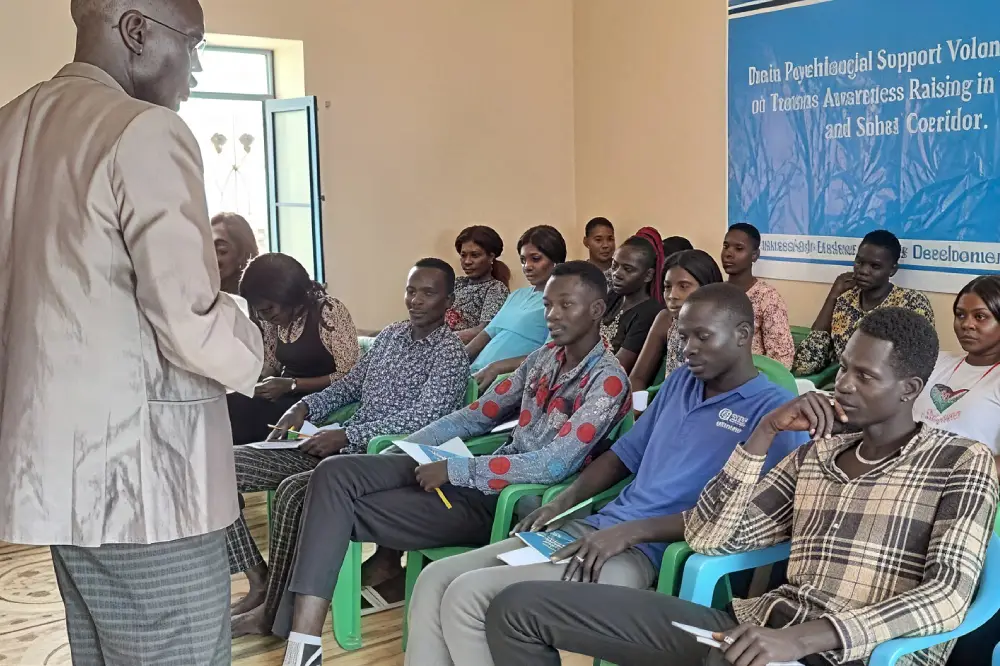
Several participants said the psychosocial support sessions helped them connect the struggles in their communities with the wider cycles of conflict and displacement. They realized that what people carry inside often shapes how they act with others. This awareness gave them a new sense of responsibility.
The volunteers also expressed confidence in the tools they had gained. They practiced listening with empathy, using dialogue to interrupt harmful cycles, and finding ways to strengthen resilience in families and groups. For many, it was the first time they felt they had concrete methods to support healing, not just goodwill.
Another important outcome was the bond formed among the 20 participants. They did not leave as individuals but as part of a shared network. This connection means that even after returning to their own villages, they will remain linked-sharing experiences, challenges, and encouragement.
Recognition and Certification
The training closed with a moment of pride and celebration. Each of the 20 psychosocial support training community Volunteers was awarded a certificate of completion. For many, it was the first time they had received formal recognition for their contribution to their communities.
The certificates were more than just paper. They symbolized readiness, responsibility, and hope. Participants stood not only as learners but as leaders—frontline actors prepared to walk alongside people living with the effects of conflict and displacement.
The ceremony also served as a reminder that their work is valued. In regions where volunteers often serve quietly and without recognition, this gesture reinforced their importance. It showed them that their efforts matter and that they are part of a larger movement for healing and resilience in Upper Nile State.
Partnerships and Support
The success of this psychosocial support training was not achieved by AWA-Africa alone. It was made possible through collaboration and support from partners who share the same vision of healing and resilience.
A special appreciation goes to UNDP South Sudan, whose continued support has been vital in reaching displaced and vulnerable communities in both Jonglei and Upper Nile State. Their partnership has allowed trainings like this to move from plans on paper into real impact on the ground.
Beyond financial backing, such support also creates space for volunteers to grow. It shows that the international community recognizes the importance of local actors in responding to trauma. While large-scale interventions are often needed, true change happens in small, consistent acts at the community level—and this is where the Psychosocial Community Volunteers will serve.
The training also reflected a spirit of shared responsibility. AWA-Africa worked closely with local leaders and community representatives to ensure that the content matched the realities of daily life. By involving those who live and work in the affected areas, the program stayed relevant and practical.
Partnerships like these remind us that healing is not a one-organization effort. It takes cooperation, trust, and a commitment to walk alongside communities for the long term.
Conclusion
The completion of this training marks an important step forward for Dolep Hills, Baliet County, and the wider Upper Nile State. Twenty community members are now better prepared to walk with their people through the pain of conflict, displacement, and gender-based violence. They carry with them not only knowledge, but also empathy, tools, and the confidence to act.
For AWA-Africa, this milestone is part of a larger journey. Building resilience is not done in a single week—it requires ongoing commitment, constant learning, and deep partnerships. The training showed that when local people are empowered, they become the strongest agents of healing in their own communities.
Looking ahead, AWA-Africa remains committed to strengthening psychosocial support networks in conflict-affected regions. The work is far from finished, but every trained volunteer brings us closer to communities that are safer, stronger, and more hopeful.
We invite partners, donors, and community leaders to continue supporting this mission. Together, we can expand trainings, reach more vulnerable populations, and build a future where healing and resilience are within everyone’s reach.


