
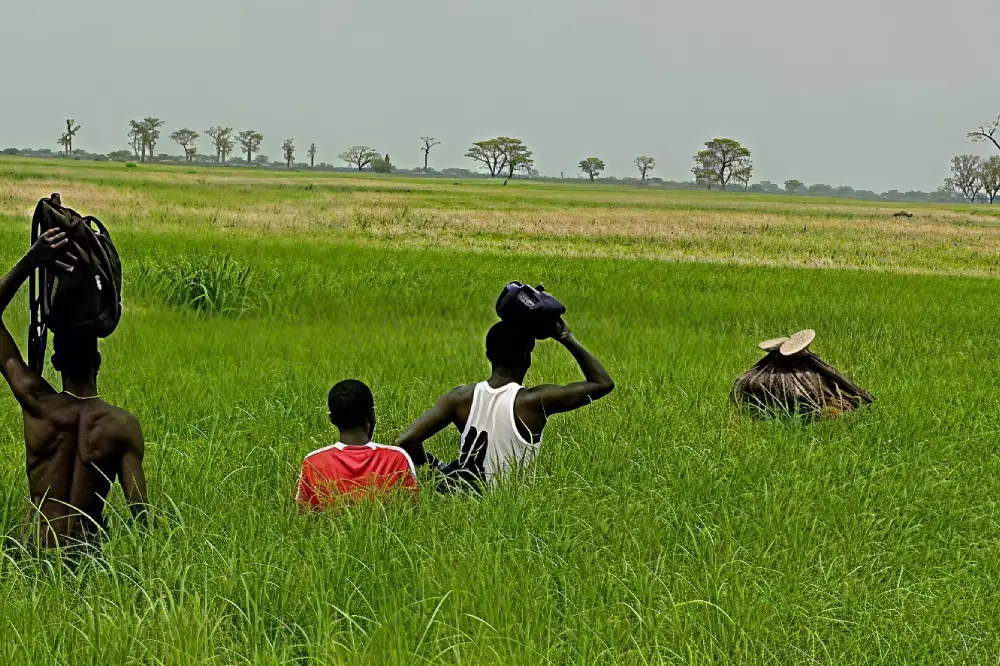
In July 2025, Active Women Arise Africa (AWA-Africa), with support from the International Rescue Committee (IRC) South Sudan, carried out a Rapid Needs Assessment in Ulang and Nasir counties. The exercise took place between 14 and 21 July, during a period of heightened conflict and displacement in Upper Nile State.
The purpose of the assessment was simple but urgent: to listen to communities, understand their most pressing needs, and document service gaps affecting daily life. Many families in these counties have been forced to flee their homes. Some have lost access to health care, safe water, schools, and livelihoods. Others face protection risks, especially women and children.
The findings from this assessment are intended to inform the development of future Emergency Action Plans. By understanding the challenges and vulnerabilities now, humanitarian actors can plan better, pre-position resources, and respond more effectively when crises arise. This ensures that communities are not only supported during emergencies but are better prepared ahead of time.
Despite challenges in reaching remote areas, AWA-Africa and IRC teams managed to cover both counties. Their dedication ensured that even the voices of the most isolated communities were included. These voices form the backbone of the report and will help guide stronger, more targeted Emergency Action Plan preparedness in the future.
Assessment Objectives
The Rapid Needs Assessment covered both Ulang and Nasir counties in Upper Nile State. These areas were selected because they have recently experienced significant displacement and disruptions due to conflict. The goal was to reach as many affected communities as possible, including remote and hard-to-reach locations for emergency action plans.
The assessment used a mixed-methods approach to gather accurate and reliable information. Teams conducted:
- Key Informant Interviews (KIIs) – Speaking with local leaders, health workers, teachers, and community representatives to understand the broader challenges and community dynamics.
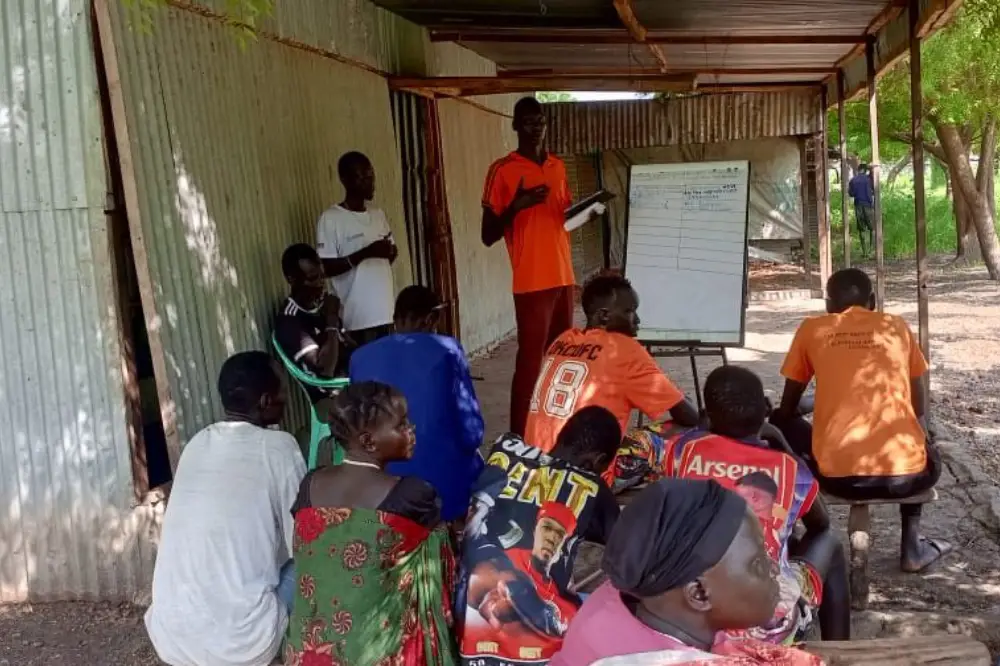
- Community Consultations – Facilitating discussions with groups of women, men, youth, and elders to capture a wide range of perspectives on urgent needs and service gaps.
- Direct Observation – Visiting households, schools, health centers, water points, and other community facilities to validate reported issues and identify additional gaps.
Despite several challenges, the teams managed to reach remote locations and include voices from communities often overlooked. Accessibility barriers included poor roads, seasonal flooding, and insecurity in some areas. Teams took extra precautions to ensure the safety of staff and participants.
The scope of the assessment focused on key humanitarian sectors: protection, health, WASH, education, and livelihoods. Each sector was carefully examined to identify urgent needs, service gaps, and risks to vulnerable populations.
By combining multiple data sources and perspectives, the assessment provides a comprehensive picture of current vulnerabilities. These insights are critical for Emergency Action Plan preparedness, helping humanitarian actors prioritize
Key Findings by Sector
1. Protection
The assessment revealed serious protection concerns in both Ulang and Nasir counties. Many families have been displaced by recent conflict, leaving women, children, and elderly individuals particularly vulnerable. Risks include gender-based violence (GBV), child exploitation, and lack of safe spaces.
Community members reported that limited access to security mechanisms and social support networks makes it difficult to cope during displacement. These insights highlight the urgent need for protection-focused interventions and provide a foundation for Emergency Action Plans preparedness, such as establishing safe spaces, strengthening early-warning mechanisms, and training local volunteers in protection response.
2. Health
Access to health services remains a major challenge. The assessment found that some communities are far from functioning health facilities, with shortages of essential medicines and medical staff. Maternal and child health services are particularly affected, and there is a heightened risk of disease outbreaks due to displacement and poor living conditions.
These findings are crucial for planning health-focused components of Emergency Action Plans. For example, pre-positioning medical supplies, deploying mobile health teams, and training community health workers can ensure faster and more effective responses during emergencies.
3. WASH (Water, Sanitation, and Hygiene)
Water scarcity and poor sanitation are pressing issues. Many households lack safe drinking water and functional latrines, while hygiene practices are compromised by limited resources. This increases the risk of waterborne diseases and affects overall community health.
For Emergency Action Plan preparedness, this data can guide priorities like pre-positioning water purification kits, constructing temporary latrines, and distributing hygiene supplies to mitigate risks before crises escalate.
4. Education
Schools in both counties have been disrupted by conflict. Some learning facilities have been destroyed or repurposed as shelters for displaced families. Access to education is limited, particularly for girls, and teaching materials are scarce.
These insights inform planning for Emergency Action Plans by identifying where temporary learning spaces, education kits, and volunteer teacher support are most needed, ensuring continuity of education during emergencies.
5. Livelihoods & Food Security
Many families have lost their sources of income, farmland, or livestock due to displacement. Food insecurity is rising, and households are relying on coping strategies that are not sustainable.
This sector’s findings are essential for preparedness. Emergency Action Plans can prioritize food distribution networks, livelihood recovery kits, and cash-for-work programs to help communities regain stability and resilience before a crisis worsens.
Implications for Preparedness
The Rapid Needs Assessment in Ulang and Nasir counties provides more than just a snapshot of current needs—it highlights the gaps and vulnerabilities that must be addressed to strengthen Emergency Action Plans preparedness.
The protection findings, for example, show that women, children, and displaced families need safe spaces, early-warning systems, and trained local volunteers. By preparing these measures in advance, humanitarian actors can respond quickly and reduce risks during future crises.
Health gaps identified in the assessment signal the importance of pre-positioning medical supplies, deploying mobile health teams, and training community health workers ahead of time. These steps ensure that life-saving care can reach the most remote areas before conditions deteriorate further.
WASH challenges, such as lack of clean water and functional latrines, emphasize the need for proactive hygiene promotion and water purification strategies. Preparedness measures like stockpiling hygiene kits and repairing water points can prevent disease outbreaks and reduce suffering during emergencies.
Education disruptions underscore the value of preparing temporary learning spaces and stockpiling teaching materials. By planning in advance, children can continue their education even if schools are damaged or used as shelters.
Finally, the assessment of livelihoods and food security demonstrates that pre-planned support—through food distribution networks, cash-for-work programs, and livelihood recovery kits—can help families maintain stability and resilience in the face of displacement or future shocks.
Overall, these insights turn raw data into actionable guidance. Humanitarian actors can now prioritize interventions, allocate resources efficiently, and design targeted Emergency Action Plans that protect lives, build resilience, and prepare communities for future crises.
Next Steps
The Rapid Needs Assessment is just the beginning. AWA-Africa and IRC South Sudan will use these findings to guide future Emergency Action Plans.
First, the results will be shared with local leaders, authorities, and humanitarian partners to ensure coordinated support. Next, collaboration with NGOs and UN agencies will help plan interventions and pre-position resources for rapid response.
Building local capacity is also key. Training volunteers, health workers, and educators ensures communities are prepared and resilient. Finally, sector-specific strategies in protection, health, WASH, education, and livelihoods will feed directly into actionable preparedness plans.
This approach turns the assessment into a roadmap for protecting lives and strengthening communities ahead of future crises.
Conclusion
The Rapid Needs Assessment in Ulang and Nasir counties highlighted urgent gaps in protection, health, WASH, education, and livelihoods. These findings provide critical guidance for future Emergency Action Plans, helping communities be better prepared for crises.
AWA-Africa and IRC South Sudan are committed to turning these insights into action. We encourage partners, donors, and local authorities to join us in strengthening preparedness, pre-positioning resources, and building resilience. Together, we can ensure that communities facing conflict and displacement are safer, supported, and ready to respond when emergencies strike.


